
Integrating Player Controls with Reward Systems in Smartphone Sports Betting
Smartphone platforms have developed systems that connect self-regulation tools directly to betting incentives, allowing users to set personal limits on deposits, time spent, or losses while maintaining access to promotional rewards. These integrations appear across multiple jurisdictions where mobile wagering operates under licensed frameworks, and data from regulatory reports shows increasing adoption of such combined features since the mid-2020s.
Core Components of Self-Regulation on Mobile Apps
Self-regulation features include deposit caps, session timers, loss thresholds, and temporary breaks that users activate through app menus, with these controls often syncing across devices for consistent application. Research from academic institutions indicates that platforms embed these options within account dashboards, prompting users to review and adjust settings before engaging with certain promotions, and studies conducted by the University of Nevada Las Vegas Center for Gaming Research have documented how such mechanisms appear in over 70 percent of major mobile betting applications operating in regulated markets.
Operators design these tools to operate in real time, sending notifications when limits approach and automatically restricting further activity once thresholds are reached, while the same systems track compliance to determine eligibility for ongoing perks. Data collected by international gaming associations reveals that users who engage with limit-setting functions maintain accounts longer on average compared to those who do not, though exact figures vary by region and operator.
Reward Structures Tied to Platform Usage
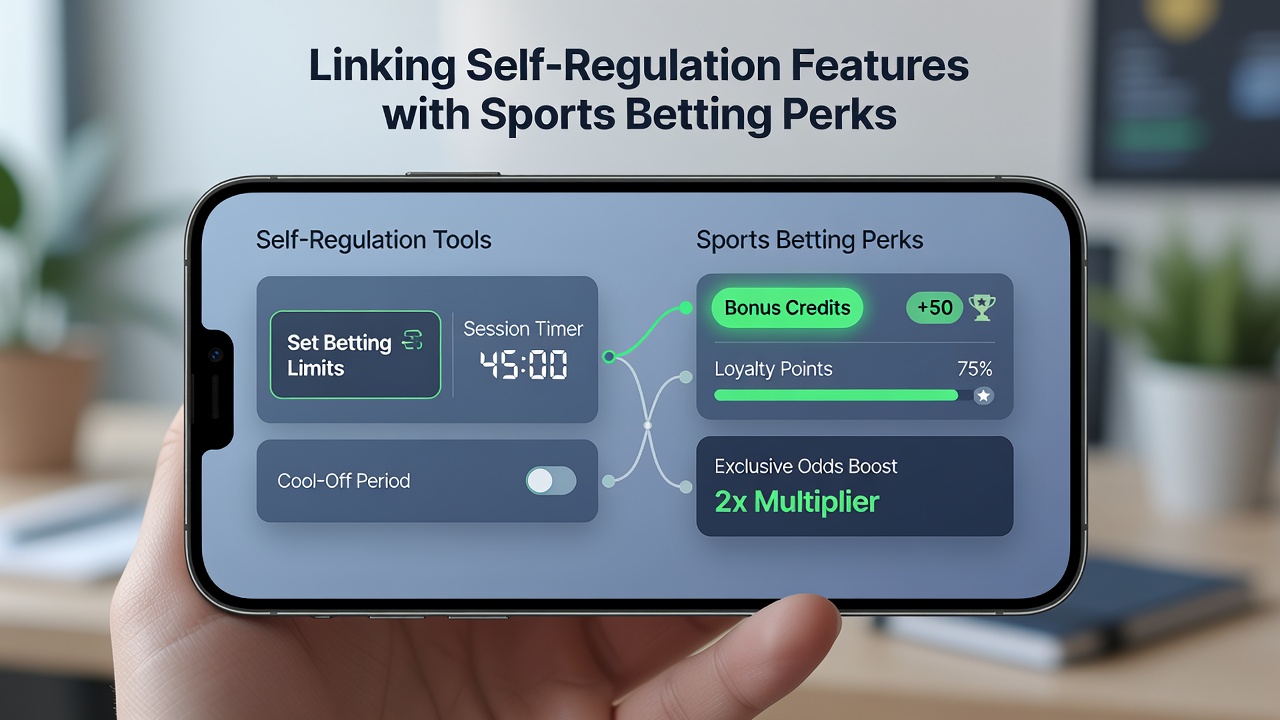
Sports betting perks on smartphones typically encompass free bets, enhanced odds, cashback offers, and loyalty points accumulated through wagers placed on events such as football matches or horse races, and these incentives often scale according to activity levels recorded within the app. Integration occurs when platforms require users to maintain active self-regulation settings to unlock higher tiers of rewards, creating a structure where controlled play directly influences bonus availability.
According to reports from the Australian Institute of Criminology, several operators in licensed markets have implemented tiered reward programs that factor in verified limit usage, with users who set and adhere to monthly deposit caps receiving priority access to seasonal promotions during major sporting calendars. This approach appears in applications serving users across North America and parts of Europe, where mobile traffic accounts for the majority of betting volume.
Technical Linkages Between Controls and Incentives
Developers achieve these connections through backend algorithms that monitor self-regulation data alongside betting patterns, then adjust reward eligibility in response, and this process runs continuously to reflect any changes users make to their settings. For instance, a user who increases a session time limit might see temporary restrictions on certain cashback offers until the new setting stabilizes, while consistent adherence can trigger automatic upgrades in loyalty status.
Observers note that these linkages rely on secure data flows between regulatory-compliant servers and user devices, with encryption standards ensuring that personal limit information remains protected during transmission. In November 2026, industry updates from bodies such as the Malta Gaming Authority highlighted expansions in API frameworks that allow smoother synchronization of these elements across different smartphone operating systems.
Examples from Licensed Markets
One documented case involves a North American operator that introduced a mobile feature requiring users to confirm weekly loss limits before claiming accumulator bonuses on basketball and baseball events, resulting in measurable increases in feature adoption according to internal compliance logs shared with state regulators. Another instance from Canadian provinces shows platforms offering bonus spins or matched deposits exclusively to accounts that maintain active reality-check reminders, with participation rates tracked through anonymized datasets released by provincial gaming commissions.
Those who have analyzed these systems point to patterns where younger demographics engage more readily with combined tools, while older user groups demonstrate steadier usage of limit functions once rewards are attached. Evidence from multiple operator reports suggests that such pairings reduce instances of abrupt account closures, though broader outcome data remains under ongoing collection by research groups.
Regulatory and Industry Influences
Government agencies outside the United Kingdom, including those in Australia and several Canadian provinces, have issued guidelines encouraging operators to explore these integrations as part of broader responsible gaming initiatives, and trade organizations such as the World Lottery Association have published frameworks outlining best practices for linking controls with incentives. These documents emphasize transparency in how limit data influences reward calculations, requiring clear disclosures within app interfaces.
Platforms continue to refine these connections through iterative updates, incorporating user feedback collected via in-app surveys and adjusting algorithms to balance engagement with protective measures. Figures from international reports indicate steady growth in the number of applications featuring such dual-purpose designs through late 2026.
Conclusion
The linkage between self-regulation features and sports betting perks on smartphone platforms represents an evolving area where technical design meets regulatory expectations, with platforms across various regions demonstrating practical implementations that tie user controls to reward access. Continued monitoring by academic and industry bodies will track how these systems develop alongside changes in mobile technology and market conditions.