Evaluation Processes and Their Role in Crafting New User Promotions for Smartphone Wagering Apps
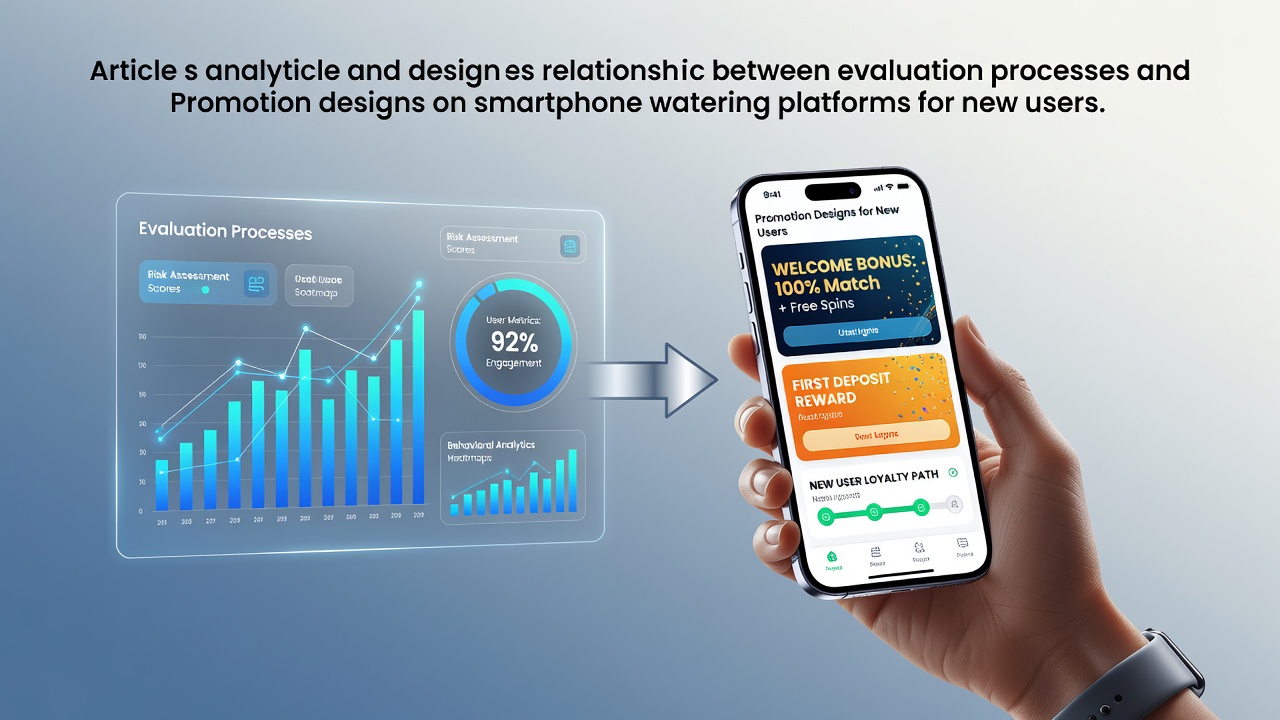
Smartphone wagering platforms rely on structured evaluation processes to determine the structure and eligibility criteria for promotions aimed at new users, and these assessments draw from multiple data points collected during account creation and initial activity. Operators collect information on device type, operating system version, geographic location through IP analysis, and verification documents to build profiles that influence bonus design, and such practices have expanded as mobile traffic now accounts for the majority of new registrations across major markets.
Data Inputs in Initial User Screening
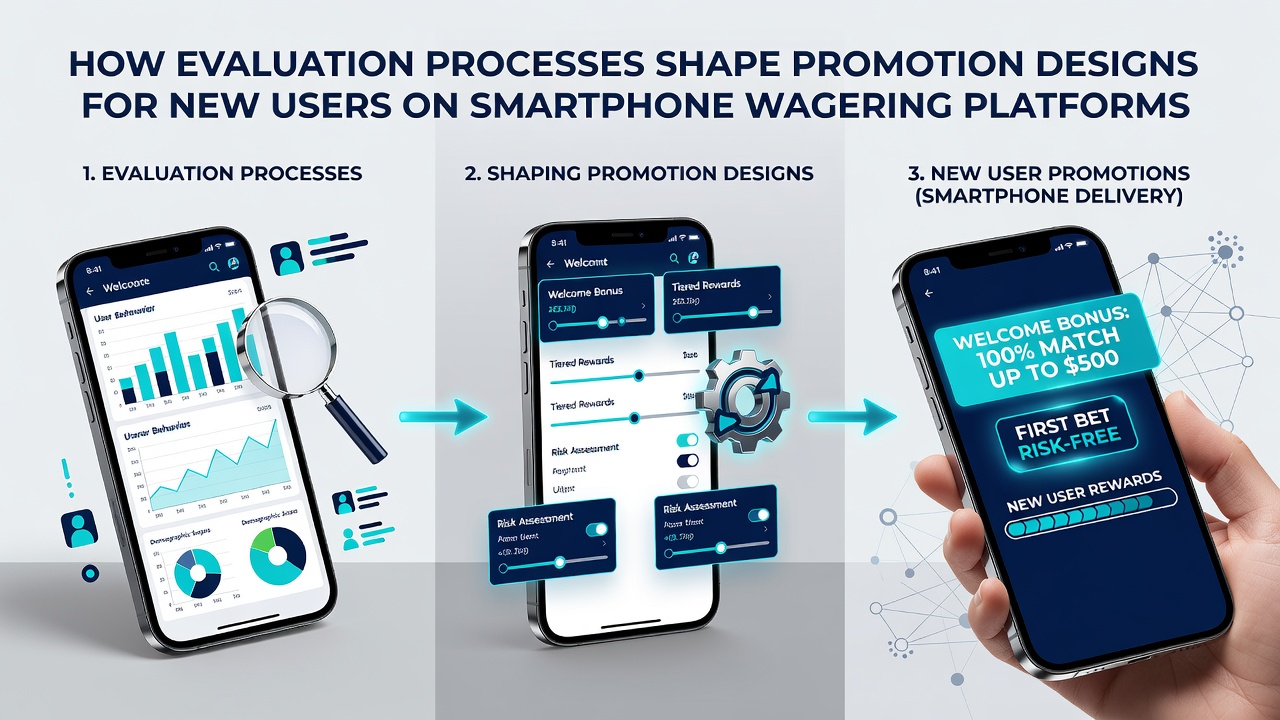
Platforms begin evaluations at signup when users provide personal details for identity verification, and systems cross-reference these against public records plus proprietary databases to flag potential risks such as duplicate accounts or mismatched information. Behavioral signals including time spent on registration forms, number of corrections during entry, and device fingerprinting further refine the profile, while payment method selection adds another layer since certain cards or e-wallets correlate with higher retention rates according to aggregated industry datasets. Researchers at academic institutions have documented how these inputs allow operators to segment users into categories that receive tailored offers, and one analysis from a Canadian research group highlighted variations in bonus values based on early deposit size and frequency.
Shaping Bonus Structures Through Risk Scoring
Once initial data compiles into a risk score, platforms adjust promotion parameters including deposit match percentages, free bet amounts, and wagering requirements to balance acquisition goals with responsible play safeguards. Lower-risk profiles often unlock higher-value incentives with fewer restrictions, whereas elevated scores trigger more conservative designs such as smaller initial bonuses or extended playthrough conditions, and this calibration occurs through automated algorithms that update in real time as additional activity data arrives. Observers note that smartphone-specific factors like accelerometer data indicating steady usage patterns or consistent location signals can shift a profile toward more generous terms, and similar adjustments appear in markets outside the UK where regulatory frameworks emphasize consumer protection through customized incentives.
Examples of Promotion Adjustments in Practice
Take one operator that noticed new users registering via older device models tended toward shorter sessions and lower deposit volumes, and the platform responded by offering those accounts time-limited free spins rather than larger cash bonuses to encourage immediate engagement without overextending credit. Another case involved users completing verification within the first hour of download, and those accounts received accelerated access to multi-tier welcome packages because rapid verification correlated with stronger long-term activity in platform analytics. Data from a report by the American Gaming Association shows that such targeted designs have increased first-week retention metrics across several North American operators, while similar patterns emerge in Australian markets where the Interactive Gambling Act guides how platforms structure offers around verified user histories.
Regulatory Influences on Evaluation Criteria
Frameworks from bodies such as the Nevada Gaming Control Board and the Australian Communications and Media Authority require operators to maintain transparent evaluation standards that prevent unfair discrimination while still allowing personalization of offers, and these rules shape how platforms document the logic behind promotion assignments. Compliance teams review scoring models periodically to ensure alignment with local laws on fair advertising, and any changes in user data handling practices must receive approval before implementation. Platforms operating across multiple jurisdictions maintain separate evaluation modules for each region to accommodate differing requirements on data privacy and responsible gambling messaging, which in turn affects the types of promotions visible to new users in those areas.
Impact on User Experience and Platform Metrics
Users encounter promotions calibrated to their evaluated profile immediately after account activation, and this immediate tailoring creates a sense of relevance that encourages further interaction with the app. Metrics tracked by operators indicate that refined evaluation processes correlate with higher conversion rates from free bet offers to actual deposits, and the same systems help identify accounts requiring additional responsible gambling resources before larger incentives activate. What's interesting is how continuous monitoring after the initial promotion period feeds back into future offer designs, allowing platforms to refine thresholds for subsequent campaigns based on observed behavior patterns across similar user segments.
Conclusion
Evaluation processes serve as the foundation for promotion design on smartphone wagering platforms by integrating verification data, behavioral signals, and regulatory constraints into dynamic scoring systems that determine offer parameters for each new account. These mechanisms enable operators to align acquisition strategies with compliance obligations across diverse markets while delivering incentives that reflect individual user profiles. Continued refinement of these systems will likely incorporate additional data streams from mobile devices as technology evolves, maintaining the balance between engagement and responsible operation that defines current practices in the sector.